
Young Hypertension

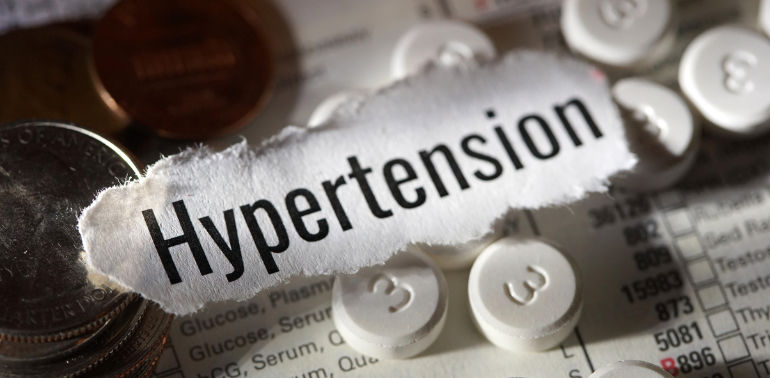
Young Hypertension: Managing High Blood Pressure Early
Young Hypertension refers to high blood pressure in individuals under the age of 40. Often linked to lifestyle factors, genetics, or underlying conditions, it can silently affect the heart, kidneys, and other organs. Early detection and effective management are essential to prevent long-term complications and improve overall health outcomes.
Why Address Young Hypertension?
Untreated hypertension can lead to severe health issues, including heart attacks, strokes, and kidney disease. By addressing Young Hypertension early, individuals can reduce their risk of complications, maintain a healthy lifestyle, and achieve better long-term health. Early lifestyle changes and medical interventions are key to managing this condition.
- Comprehensive blood pressure monitoring
- Personalized lifestyle and dietary guidance
- Access to advanced diagnostic tools
- Expert management by cardiologists and physicians
Frequently Asked Questions
What is Young Hypertension?
Young Hypertension is high blood pressure diagnosed in individuals below the age of 40. It may be caused by genetics, stress, poor lifestyle habits, or underlying medical conditions.
What are the symptoms of Young Hypertension?
Young Hypertension often has no symptoms, which is why it's called the "silent killer." Some individuals may experience headaches, dizziness, or fatigue. Regular blood pressure checks are crucial for early detection.
How is Young Hypertension treated?
Treatment typically includes lifestyle changes such as a healthy diet, regular exercise, stress management, and, if necessary, medications prescribed by a doctor.
Can Young Hypertension be prevented?
Yes, by adopting a healthy lifestyle, including a balanced diet, regular exercise, adequate sleep, and avoiding smoking or excessive alcohol consumption, the risk of developing Young Hypertension can be significantly reduced.